In today's fast-paced business environment, organizations strive for efficiency and adaptability. One trend gaining traction is modular construction. More businesses are exploring this option due to its unique advantages. But why do businesses choose modular buildings?
Modular buildings present an innovative solution for diverse needs. They offer flexibility in design and use, facilitating quick modifications. This is particularly useful for companies facing rapid changes in market demand. Cost savings also play a critical role. Less construction time means less overhead.
However, the decision to go modular can raise questions. Some may doubt the long-term durability and quality. Others might wonder about the resale value of modular structures. These concerns warrant exploration. By addressing these factors, businesses can make informed choices, ensuring they align with their goals and values. Understanding the benefits and drawbacks is essential for navigating this modern construction landscape.
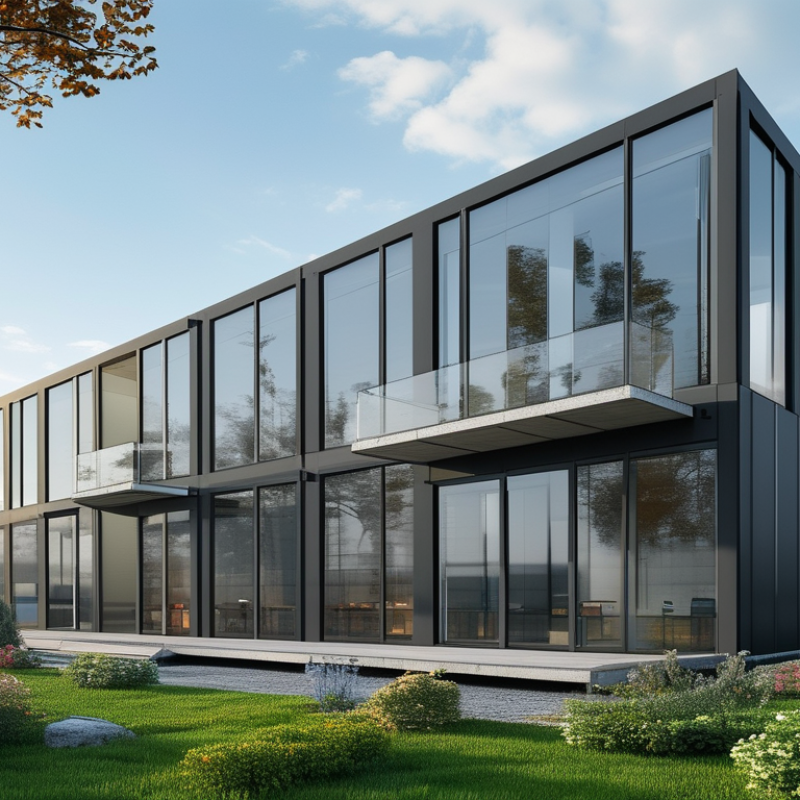
Modular buildings are transforming the landscape of business operations. According to a report by GlobeSt, modular construction can reduce project timelines by up to 50%. This speed helps businesses meet market demands swiftly. For example, in industries like retail, creating a store in weeks rather than months can be crucial for competitiveness.
Cost efficiency is another significant advantage. Modular buildings often cost 10-20% less than traditional constructions. The reduced labor and material waste contribute to this saving. However, some businesses still lean towards conventional methods. They cite concerns over customization and perceived quality. Yet, advancements in technology are addressing these issues. Modern modular units can be highly customized and have surpassed earlier quality benchmarks.
Flexibility is pivotal for businesses amid economic uncertainties. Modular designs easily adapt to changing needs. For instance, a growing company might require additional office space after a year. Modular buildings can be expanded or reconfigured quickly to accommodate such shifts. This adaptability helps in long-term planning, but some leaders may struggle with the initial mindset change required to adopt modular solutions.
Modular buildings offer a compelling solution for businesses looking to optimize costs. These structures are prefabricated in sections and assembled on-site, significantly reducing construction time. This efficiency translates to lower labor costs. For companies, quicker project completion means they can start operations sooner, enhancing cash flow.
Cost-effectiveness goes beyond just construction expenses. Modular buildings often require less energy to produce and maintain. Their design can be more efficient, leading to savings on utility bills. Moreover, these structures can be reused or relocated, providing flexibility without incurring hefty costs.
Some businesses, however, may hesitate, fearing quality compromises or limits on design customization. Addressing these concerns is essential for fully realizing the benefits.
Investing in modular buildings can lead to long-term financial gains. They may not be the perfect solution for every situation, but their advantages are clear. Companies should weigh initial costs against potential savings. Understanding how to navigate this approach can lead to informed decisions benefiting both the budget and overall business strategy.
Modular buildings offer remarkable flexibility and scalability. These structures can be quickly assembled and modified as business needs evolve. Companies can customize layouts and sizes more easily than traditional construction allows. This adaptability ensures that businesses can respond to market changes swiftly. For example, a growing company might start with a small office space and expand as needed, minimizing downtime.
The scalability of modular construction is evident in various sectors. Education, healthcare, and retail frequently use modular buildings to meet varying demands. Temporary projects might only need a short-term solution, while permanent structures can accommodate future growth. Businesses can add or remove modules without significant disruptions. This seamless integration supports strategic planning and more efficient resource allocation.
However, challenges exist in modular construction too. Not every site is suited for installation, and logistics can complicate delivery. Local regulations may impose restrictions on modular units. Businesses must carefully assess their locations. Even with the benefits, choosing modular construction requires comprehensive planning and an understanding of potential hurdles. Balancing flexibility with these considerations adds a layer of complexity in decision-making.
Modular buildings are increasingly popular among businesses, particularly due to the speed of construction they offer. In a climate where time translates to money, quick deployment is essential. According to the Modular Building Institute, modular construction can be up to 50% faster than traditional methods. This rapid turnaround allows businesses to start operations sooner, adjusting to market demands without delay.
The project timeline in modular building is often streamlined. Off-site construction occurs simultaneously with site preparation, trimming weeks from the overall schedule. This is particularly beneficial for sectors requiring urgent space solutions, such as education and healthcare. A recent report by the Construction Industry Institute highlights that time-saving measures in construction can reduce costs by as much as 20%.
However, speed doesn’t always guarantee quality. Some businesses may compromise aesthetics or functionality for a quicker build. It’s crucial for decision-makers to carefully evaluate these risks. Choosing a reputable builder with experience in modular structures can mitigate potential pitfalls. Ultimately, while speed is vital, ensuring a balance between haste and quality should be a key focus for businesses.
| Business Sector | Traditional Build Time (Months) | Modular Build Time (Months) | Time Saved (Months) | Key Benefits |
|---|---|---|---|---|
| Retail | 12 | 6 | 6 | Faster market entry |
| Healthcare | 18 | 10 | 8 | Immediate patient care |
| Education | 16 | 8 | 8 | Quick accommodation for students |
| Hospitality | 14 | 7 | 7 | Enhanced guest services availability |
| Commercial | 20 | 11 | 9 | Cost savings and quicker setup |
Modular buildings are gaining traction in the business landscape due to their sustainability and minimal environmental impact. These structures are prefabricated, meaning they are built off-site and assembled on location. This approach significantly reduces waste, as materials are used more efficiently during construction. Additionally, modular buildings can be designed to incorporate sustainable materials and energy-efficient systems. They often feature better insulation, which can lower energy consumption over time.
However, the environmental benefits of modular buildings do raise questions. Some might wonder about the carbon footprint associated with transportation. While the off-site construction reduces site disruption, transporting modules to their final location can generate emissions. It’s critical to evaluate the overall lifecycle of these buildings. Are they truly greener than traditional options?
Despite these concerns, businesses frequently choose modular buildings for their adaptability. They can be constructed quickly to meet immediate needs, often with less environmental disturbance. However, it is essential for decision-makers to ask the right questions regarding sustainability. What materials are used? How will the building be maintained over time? Understanding these factors can lead to more informed choices in building practices.
: Modular buildings offer speed, cost efficiency, and flexibility in business operations. They can be built faster than traditional structures.
Modular construction can be up to 50% faster. This speed helps businesses meet market demands quickly.
Yes, modern modular units can be highly customized. This addresses past concerns about quality and individuality.
Modular buildings can cost 10-20% less than traditional constructions. Reduced labor and material waste contribute to these savings.
Some businesses worry about customization and quality. Initial mindset changes may also challenge leaders in traditional industries.
Speed of construction allows quicker market entry. This is crucial in sectors like retail, education, and healthcare.
Off-site construction and site preparation occur simultaneously. This streamlines the overall timeline significantly.
Speed can sometimes compromise quality. Businesses should carefully evaluate risks associated with faster building processes.
Choosing a reputable builder with experience in modular structures can mitigate risks. It's important to balance speed with quality.
Businesses increasingly opt for modular buildings due to their numerous advantages that enhance operational efficiency. One of the primary reasons why businesses choose modular buildings is their cost-effectiveness; these structures significantly reduce construction expenses and allow for quicker returns on investment. In addition, modular constructions offer flexibility and scalability, making it easier for businesses to adjust their physical spaces according to changing needs.
Another crucial factor is the speed of construction. Modular buildings can be completed much faster than traditional construction methods, which is vital for businesses looking to minimize downtime and seize market opportunities. Lastly, sustainability is a key consideration; modular buildings often have a lower environmental impact due to more efficient construction processes and materials. Together, these benefits make modular buildings an attractive choice for modern businesses.

SES House