Choosing modular housing for international buyers is not simply a matter of comparing prices. It involves climate, transport, planning standards, local workmanship, and long-term maintenance. A compact home that works in coastal Spain may fail in a cold northern region. Materials, insulation, ventilation, and foundation design must match the site. Small details matter.
Tom Hardiman, Executive Director of the Modular Building Institute, explains, “Modular construction is not a building type; it is a construction process.” His statement helps buyers look beyond attractive factory images. The real question is how to select the right modular housing solution for a specific location, budget, and lifestyle. Experienced suppliers should explain their factory controls, certification records, delivery limits, installation process, and warranty terms. They should also provide clear drawings and realistic project schedules.
A reliable decision includes more than the building itself. Buyers should examine transport routes, crane access, utility connections, local approvals, and future repair needs. Ask difficult questions. What happens if a shipment is delayed? Who handles defects after installation? Can replacement panels be sourced locally? These issues are sometimes overlooked.
No solution is perfect. Modular housing can reduce construction waste and improve quality control, but it still depends on good design and careful site preparation. A low price may hide costly foundations or complex shipping. Global buyers need evidence, not promises. The strongest choice balances performance, regional suitability, transparent service, and honest risk assessment. That balance creates a home that works beyond the catalogue.
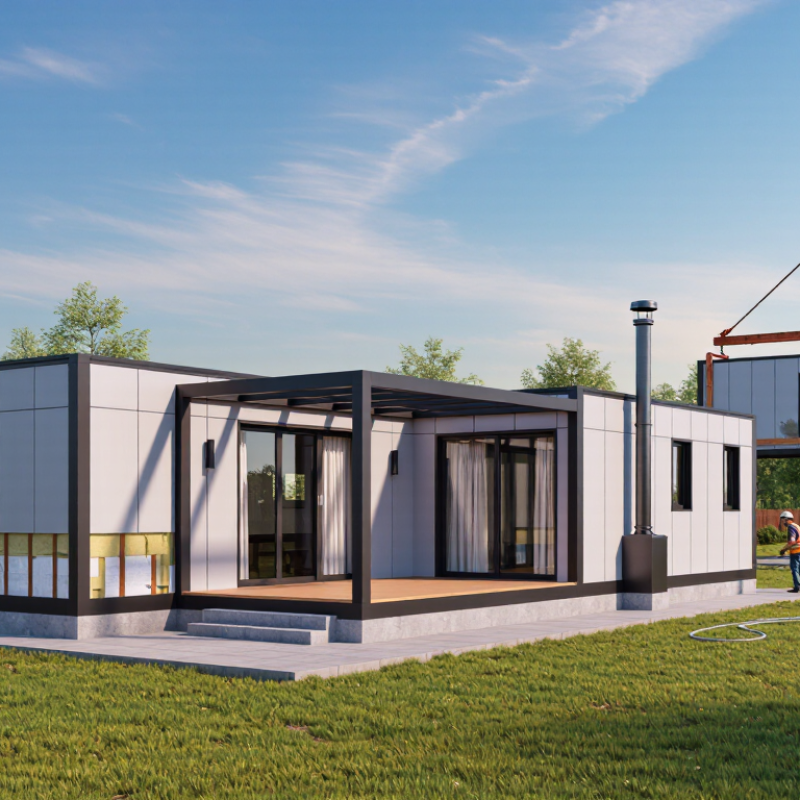
Modular housing means producing complete building sections in a controlled factory, then transporting and assembling them on site. It is more than a faster construction method. It changes how buyers manage quality, labor, materials, and local approvals.
UN-Habitat’s World Cities Report 2022 estimates that 1.6 billion people live in inadequate housing. Meanwhile, the United Nations projects that 68% of the global population will live in cities by 2050. These pressures make adaptable housing increasingly important.
Tips: Request factory quality records, structural calculations, material specifications, and installation procedures. Confirm who handles permits, customs, foundations, and after-sales repairs. Ask for realistic delivery timelines. Delays can still happen. The model is not flawless. Poor site preparation can damage an otherwise well-built module. Buyers should compare lifecycle costs, not only the factory price. A cheaper unit may require expensive modifications after arrival. Reliable decisions come from documented testing, transparent contracts, and independent technical inspections.
Choosing a modular housing type starts with the site, not the showroom image. Climate, soil conditions, transport access, and local building rules can change the best solution. A lightweight unit may suit remote land, but strong coastal winds require careful structural design. In cold regions, inspect insulation, window performance, heating capacity, and moisture control. These details affect comfort long after installation.
Layout matters too. A compact studio can reduce costs and simplify transport. A family unit may need wider modules, storage, flexible rooms, and stronger utility connections. Measure the delivery route carefully. Narrow roads, low bridges, or limited crane access can create unexpected expenses. I have found that a beautiful floor plan means little when furniture cannot pass through the entrance. Small details matter.
Ask for structural calculations, material specifications, fire-safety information, and installation procedures. Independent inspections can verify quality before shipment. Check the supplier’s completed projects, technical team, warranty terms, and response process. Reliable documentation is more valuable than confident promises. No option is perfect. Some buyers also underestimate future expansion, maintenance skills, or replacement-part availability. A cheaper unit may become costly when local workers cannot repair its systems. Review the full ownership cost, including foundations, transport, assembly, utilities, and long-term upkeep.
Choosing the right modular housing for global buyers requires more than comparing floor plans and prices. Climate, location, and local regulations can change the entire selection process. A home designed for a dry inland area may perform poorly in coastal humidity. Strong winds, heavy snow, high temperatures, and seismic activity also affect structure, insulation, windows, and roofing.
Location creates practical challenges. A remote site may need smaller modules because narrow roads limit transport. Uneven ground can require soil testing and stronger foundations. In cold regions, buyers should check insulation ratings, condensation control, and heating capacity. In hot climates, shaded windows, roof ventilation, and reflective materials may reduce indoor heat. These details are easy to overlook. I have seen attractive designs become expensive after site access problems appeared.
Tips: Ask local architects, engineers, and permit officials to review the design before purchase. Confirm fire safety, energy performance, drainage, electrical systems, and foundation requirements. Regulations vary between cities, even within one country. Request clear technical drawings and installation responsibilities. Do not rely only on factory certifications; local approval may require additional documents or inspections. A careful buyer should also visit a completed project, if possible. Photos can hide poor sealing around doors. Planning takes longer, but rushing often creates bigger costs.
For global buyers, modular housing should be compared through four practical lenses: quality, cost, speed, and customization. McKinsey’s 2019 modular construction analysis found that modular projects can reduce schedules by 20–50% and costs by up to 20%. These figures are benchmarks, not promises. Freight distance, foundation work, local labor, and import duties can quickly change the final price. Numbers can mislead.
Quality begins before shipment. Controlled factory conditions can improve consistency and reduce weather exposure. However, buyers should request moisture readings, connection checks, tolerance limits, and a sample wall. A fast factory does not fix poor installation. Site utilities and local approvals may still delay occupancy. Speed is conditional. The 2023 Global Status Report for Buildings and Construction reported that buildings produced 37% of global energy and process-related emissions in 2022. Insulation, airtightness, and window performance deserve the same attention as delivery dates.
Customization needs clear boundaries. Standard room grids, bathroom layouts, and window sizes usually protect both cost and schedule. Unusual rooflines and late design changes can weaken both. A practical buyer should compare the delivered specification, not attractive factory images. This includes structural calculations, fire performance documents, maintenance access, and warranty terms. The uncomfortable truth is that modular construction can repeat defects efficiently. A small design mistake may appear in every unit. Careful review feels slower, but it often prevents expensive changes after arrival.
| Comparison Dimension | Panelized Modular Housing | Volumetric Modular Housing | Flat-Pack Housing | Converted Container Housing |
|---|---|---|---|---|
| Typical construction method | Factory-made wall, floor, and roof panels assembled on site | Factory-completed three-dimensional room modules joined on site | Flat components shipped as a compact package and assembled on site | Reused steel containers modified with insulation, windows, and services |
| Indicative delivered building cost* | Approximately US$100–US$220 per m² for the building package | Approximately US$150–US$350 per m² for the building package | Approximately US$80–US$180 per m² for the building package | Approximately US$120–US$300 per m² after conversion and basic fit-out |
| Typical factory production time | Approximately 4–10 weeks | Approximately 6–14 weeks | Approximately 3–8 weeks | Approximately 4–10 weeks |
| Typical on-site assembly time | Approximately 2–8 weeks, depending on size and finishes | Approximately 1–4 weeks after foundations and services are ready | Approximately 3–10 weeks, depending on labor and weather | Approximately 4–12 weeks, including modifications and connections |
| Quality consistency | High when panels are produced under controlled factory conditions | Very high because most interior work is completed indoors | Moderate to high; final quality depends strongly on site assembly | Variable; steel condition, insulation, and conversion workmanship are critical |
| Structural durability | Good when designed for local wind, snow, seismic, and moisture conditions | Good to very good, subject to transport connections and foundation design | Good for suitable climates; joints and weatherproofing require careful installation | Strong steel shell, but corrosion control and thermal bridging must be addressed |
| Energy-efficiency potential | High with continuous insulation, airtight construction, and efficient windows | High; factory precision can reduce air leakage and thermal defects | Moderate to high, depending on panel thickness and joint detailing | Moderate unless thermal bridges, condensation, and insulation thickness are carefully managed |
| Customization flexibility | High; layouts, façades, openings, and interior finishes can usually be adapted | Moderate to high; changes are easiest before engineering and factory production | Moderate; customization is possible but may increase component complexity | Moderate; width, ceiling height, and structural openings are constrained by the container shell |
| Shipping and logistics | Efficient compared with finished modules; panels can be nested or bundled | Higher transport and lifting requirements because modules are oversized or heavy | Highly efficient for international shipping due to compact packaging | Standardized shipping dimensions, but empty-container availability varies by region |
| Best suited for | Permanent homes, schools, offices, and projects needing design flexibility | Hotels, apartments, worker accommodation, and projects requiring rapid installation | Remote sites, budget-conscious projects, and locations with limited transport access | Small homes, temporary accommodation, offices, and projects favoring a steel structure |
| Main buyer consideration | Balance of design freedom, transport efficiency, and on-site labor | Fast completion and consistent factory quality versus higher logistics costs | Lower shipping volume and purchase cost versus greater site-assembly responsibility | Low structural waste versus limited dimensions and potential condensation issues |
Note: Cost and time ranges are indicative international benchmarks for the building package only. They normally exclude land, foundations, permits, taxes, utility connections, local transport, cranes, site works, and interior upgrades. Actual results vary by country, building code, climate, project scale, specification, and labor availability.
Why Choose the Right Modular Housing for Global Buyers?
Evaluating Suppliers, Certifications, and Long-Term Support
Choosing modular housing for global projects requires more than comparing factory prices. A supplier must show how decisions become safe, documented results. Ask for factory photos, project references, material schedules, and clear production timelines. A reliable team explains its limits, too. That honesty matters. In my experience, vague answers about insulation, drainage, or wind loads often create costly changes later. Request drawings that match your climate, soil conditions, transport route, and local installation skills. A polished brochure is not evidence.
Certifications deserve careful checking, not blind trust. Confirm the issuing body, certificate number, scope, and expiry date. A document for one wall panel may not cover the complete dwelling. Check fire resistance, structural performance, electrical safety, energy efficiency, and indoor-air requirements against local rules. Independent testing adds confidence when reports include test methods and product details. Still, paperwork can be incomplete. Ask who inspected the factory and whether production batches are traceable. Keep copies in a shared project file.
Long-term support should be written into the agreement. Clarify warranty periods, spare-part availability, repair response times, training, and technical contacts across time zones. A practical supplier can provide installation manuals, labeled components, and remote guidance when a crane crew faces a problem. This is where promises meet reality. I would also request a maintenance schedule and replacement-cost estimates. Some buyers overlook these details because delivery feels urgent. That mistake is understandable, but expensive. A small pilot unit may reveal communication gaps before a full shipment begins.
Climate changes insulation, windows, roofing, ventilation, and structural requirements. Cold areas need strong insulation and condensation control. Hot areas benefit from shading, roof ventilation, and reflective materials. Coastal humidity demands careful moisture protection.
Measure road widths before ordering modules. Narrow roads may require smaller sections. Uneven ground may need soil testing and stronger foundations. Transport problems can increase costs quickly.
Confirm fire safety, energy performance, drainage, electrical systems, and foundation rules. Local authorities may request extra documents or inspections. Factory certification alone may not satisfy local approval requirements.
It can, but the results are not guaranteed. Some projects report shorter schedules and lower costs. Freight, foundations, local labor, and import duties can change the final price. Numbers can mislead.
Request moisture readings, connection checks, tolerance limits, and a sample wall. Inspect sealing around doors and windows. A fast factory cannot repair poor site installation. That part is easy to underestimate.
No. Site utilities, permits, inspections, and foundation work may still cause delays. Planning carefully feels slower, but rushing can create larger expenses. Speed is conditional.
Standard room grids, bathrooms, and window sizes usually protect cost and schedule. Unusual rooflines and late changes can create delays. Customization sounds attractive, though limits are often useful.
Compare delivered specifications, structural calculations, fire performance documents, maintenance access, and warranty terms. Do not rely only on attractive images. A small design mistake may repeat in every unit. That deserves reflection.
Yes, if possible. A visit can reveal poor door seals, awkward maintenance access, or unfinished details. Photos may hide problems. I may be overly cautious, but seeing the building helps.
Choosing the right modular housing solution is essential for global buyers seeking a practical balance of quality, affordability, construction speed, and design flexibility. Modular housing consists of factory-produced sections assembled on-site, offering a more predictable building process while supporting various residential, commercial, and temporary applications. To understand how to select the right modular housing solution, buyers should first evaluate the intended use, available space, budget, occupancy needs, and desired level of customization.
Climate, location, transportation conditions, local building codes, and approval procedures can strongly influence the most suitable housing type. Buyers should compare insulation, structural durability, energy efficiency, delivery schedules, installation requirements, and long-term maintenance costs. It is also important to assess suppliers through their manufacturing standards, relevant certifications, project experience, warranty terms, and after-sales support. A reliable supplier should provide clear specifications, transparent pricing, quality inspections, and practical assistance throughout transportation, installation, and future maintenance.
SES House