In recent years, the housing market has faced significant challenges. One solution that has emerged is modular housing, celebrated for its affordability. According to John Smith, a leading expert in modular construction, "The cost-effectiveness of modular homes lies in their efficient production and reduced waste." This statement highlights a key reason why modular houses are more affordable.
Modular homes are prefabricated in a controlled environment. This method results in lower labor costs and minimized building time. Additionally, manufacturers can bulk purchase materials, leading to further savings. These homes often feature innovative designs to utilize space effectively, which can reduce overall expenses.
While modular houses present a cost-effective solution, one must also consider the potential downsides. Limited customization options can lead to buyer dissatisfaction. Furthermore, potential buyers might overlook modular homes due to lingering misconceptions about quality. Still, understanding why modular houses are more affordable can help reshape perceptions and open new doors to home ownership.
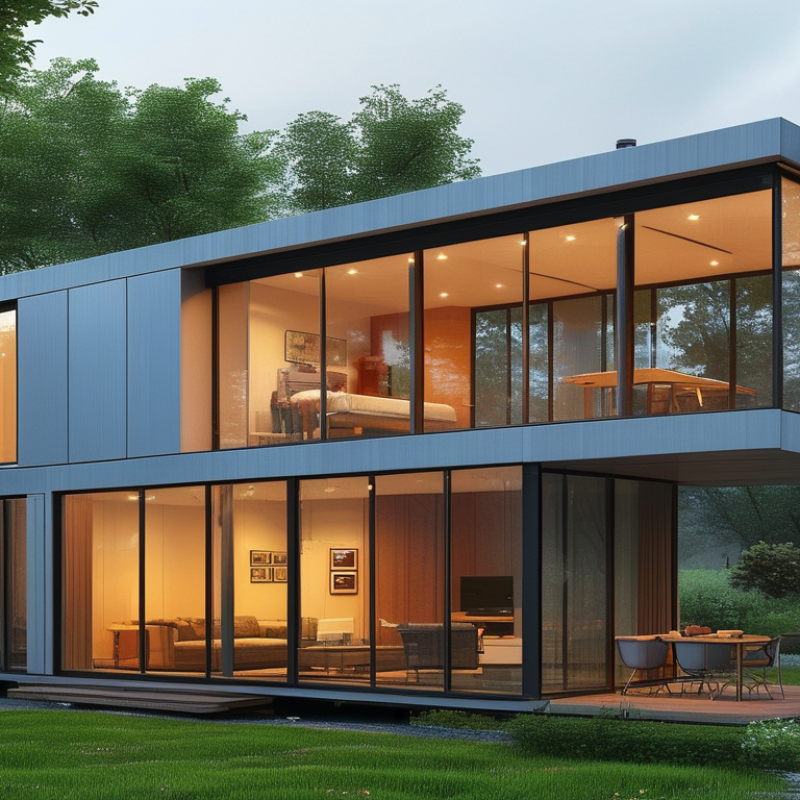
Benefits of Reduced Construction Time in Modular Housing
The efficiency of modular housing significantly reduces construction time, leading to lower overall costs. According to a report by McKinsey & Company, modular construction can cut building time by up to 50%. This rapid pace allows developers to bring units to market faster, meeting rising housing demands efficiently.
Time savings come from off-site construction. Components are built in controlled environments, allowing for parallel processes. Weather delays are minimized, and quality control is enhanced. A study from the National Institute of Building Sciences shows modular housing has a 30% lower defect rate compared to traditional methods.
However, some concerns remain. The initial setup for modular construction may require substantial investment. Not all locales embrace modular units. Local codes may pose challenges. Thus, the industry must continue to improve communication with regulators. Engagement with communities is vital. By addressing these challenges, the modular housing sector can enhance its reputation and further reduce costs for future projects.
Cost Efficiency of Prefabricated Materials and Components
Modular houses present a compelling case for cost efficiency, primarily due to the use of prefabricated materials and components. According to a report by Smith Group, modular construction can lead to savings of up to 20% compared to traditional methods. This is largely attributed to standardized designs and bulk purchasing of materials. Prefabrication allows for controlled manufacturing environments, which can significantly reduce waste—a critical aspect since construction waste contributes to financial and environmental costs.
Additionally, construction timelines are shorter with modular methods. A study by the National Association of Home Builders notes that modular projects can be completed 30-50% faster than conventional builds. This expedited process reduces labor costs and limits the duration for which financing is needed. However, it is essential to recognize that not all modular designs suit every location or climate. Some regions may require unique adaptations that could offset initial savings. Balancing cost efficiency with specific site demands is crucial for a successful modular project. The integration of prefabricated components can be a double-edged sword; while it enhances affordability, careful planning is necessary to maximize benefits and avoid pitfalls.
Lower Labor Costs Associated with Modular House Assembly
Modular houses are gaining traction in the housing market due to their affordability. A significant factor contributing to lower costs is the reduced labor associated with their assembly. Traditional construction projects often require a large workforce on-site for extended periods. Studies show that modular construction can reduce labor costs by as much as 20%. This is primarily due to the streamlined assembly process, where components are pre-fabricated in factories.
Factory conditions allow for better efficiency and quality control. Workers can focus on specific tasks without the typical delays found in traditional construction, such as weather interruptions and on-site inefficiencies. Additionally, the use of advanced technological tools in factories reduces the likelihood of errors, further lowering costs. According to the Modular Building Institute, these efficiencies can lead to completing projects in about half the time compared to conventional buildings.
However, it is essential to critically assess whether these savings are always passed down to consumers. Some argue that not all modular builders consistently achieve these efficiencies. Additionally, there may be a perception issue, where potential homeowners are unaware of the advantages of modular homes. As the industry matures, addressing these challenges will be key to ensuring that modular housing remains a viable alternative for affordable living.
Energy Savings from Eco-Friendly Modular Home Designs
Eco-friendly modular homes are gaining traction due to their energy savings potential. Reports show that modular homes can achieve energy efficiency ratings 15% to 20% higher than traditional homes. This efficiency arises from the precision construction methods used. Manufacturers create panels and modules in controlled environments, reducing waste and enhancing insulation.
Indoor temperature management is optimized in these homes. High-quality insulation materials minimize heat loss. As a result, homeowners report a reduction in heating and cooling costs by about 30%. This means lower monthly utility bills, contributing to long-term savings. Furthermore, solar panels can be integrated more easily into modular designs, further decreasing energy expenditures.
Despite these benefits, there are challenges. Not all modular homes are built with identical eco-friendly standards. The quality of materials can vary, influencing their performance. Home buyers must research and choose manufacturers committed to sustainability. Industry reports recommend checking certifications to ensure the true efficiency of any modular home. Making an informed choice is crucial for achieving promised energy savings.
Flexibility and Customization Leading to Financial Savings in Modular Homes
Modular homes are gaining popularity for many reasons, particularly their flexibility. This adaptability means homeowners can customize their living spaces according to their needs and preferences. For instance, adding an office or extra bedroom becomes simpler and more cost-effective. These choices can lead to substantial financial savings. Homeowners can choose materials and layouts that fit their budget without compromising on quality.
Customization also plays a vital role in reducing expenses. By selecting specific features, buyers avoid paying for unnecessary upgrades. For example, opting for energy-efficient windows can lower utility bills over time. Similarly, a simple exterior finish can balance aesthetics and cost.
Tips: Focus on essential features. Consider future needs when customizing. Seek out eco-friendly options that offer long-term savings. However, balance desire with budget constraints. Reflect on whether each choice aligns with your financial goals. Striking this balance can make modular homes a smart investment in the long run.
FAQS
: Modular housing significantly reduces construction time and lowers overall costs.
Building time can be cut by up to 50%.
Time savings come from off-site construction in controlled environments.
Modular housing has a 30% lower defect rate.
Yes, initial investment and local codes can pose challenges.
Labor costs can decrease by as much as 20%.
They lead to reduced costs and faster project completion.
Not always; some builders may not achieve consistent efficiencies.
Potential homeowners may not fully understand the benefits.
Better communication with regulators and community engagement is vital.
Conclusion
Modular houses have gained popularity largely due to their affordability, and there are several reasons contributing to this trend. Firstly, the reduced construction time in modular housing leads to significant cost savings, allowing homes to be built faster than traditional methods. Additionally, the cost efficiency of prefabricated materials and components minimizes expenses while maintaining quality. Lower labor costs are associated with the streamlined assembly process of modular homes, further enhancing their economic appeal.
Moreover, eco-friendly modular home designs promote energy savings, resulting in lower utility bills for homeowners. The flexibility and customization options available in modular homes also enable buyers to tailor their spaces according to their financial capabilities, further explaining why modular houses are more affordable. These factors combine to make modular housing a compelling choice for budget-conscious individuals seeking innovative living solutions.

 SES House