Building a modular house has become an increasingly popular option for many homeowners. This approach offers a streamlined process, fewer delays, and often quicker completion compared to traditional construction methods. Yet, potential buyers frequently wonder, "how long does it take to build a modular house?" Understanding the timeline is crucial for effective planning.
Several factors influence the duration of the building process. Site preparation, customization, and the availability of materials all play significant roles. Typically, modular homes can be constructed in a matter of months, rather than years. However, this does not mean it's a flawless process. Delays can occur, and unexpected challenges may arise, causing frustration.
Having realistic expectations is vital. While modular homes offer considerable advantages, each project is unique. Knowing the possible timelines helps mitigate stress. Yet, flexibility is essential, as unforeseen delays are part of the journey. Embracing this uncertainty can lead to a rewarding experience in building your dream home.
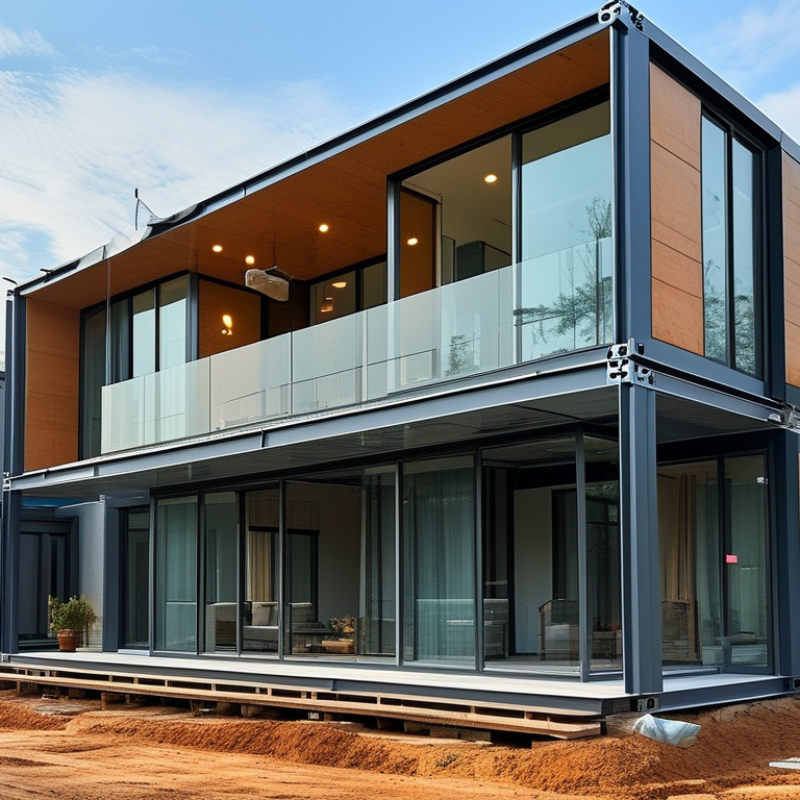
When considering modular house construction, understanding the timelines is crucial. Generally, building a modular home takes about 8 to 12 weeks, but several factors can influence this timeframe. For instance, site preparation, permit acquisition, and weather conditions play significant roles. According to industry reports, up to 40% of the total construction time can be consumed by these preliminary steps.
Modular homes are built in sections. These sections are prefabricated in factories and then transported to the site. The actual on-site assembly can occur within just a few days to weeks. However, unforeseen delays often arise. Procurement issues and labor shortages can impact timelines significantly. In some cases, it may take longer than expected to complete the entire project, leading to frustration for homeowners.
It’s worth noting that while modular homes can be faster, they are not immune to challenges. Stakeholders should remain flexible. Timelines can shift due to various circumstances. Understanding the intricacies of modular construction can help set realistic expectations. Developers and homeowners must maintain open communication to navigate any potential obstacles effectively.
| Phase | Duration (Weeks) | Activities Involved |
|---|---|---|
| Design & Planning | 4-8 | Site surveys, design consultations, permits |
| Manufacturing | 6-12 | Construction of modules in factory |
| Transportation | 1-2 | Moving modules to the site |
| Assembly | 2-4 | Setting modules in place, structural connections |
| Finishing & Inspection | 2-4 | Interior finishes, utility connections, inspections |
| Final Occupancy | 1 | Move-in ready after approvals |
: Modular home construction generally takes about 8 to 12 weeks.
Site preparation, permits, and weather conditions significantly affect construction time.
Yes, procurement issues and labor shortages often lead to unforeseen delays.
The first phase is site preparation, which includes clearing land and laying a foundation.
Factory construction usually takes about 6 to 12 weeks, depending on complexity and quality control.
Quality control ensures that all parts fit together seamlessly during on-site assembly.
Installing utilities can reveal complications that require adjustments, prolonging the process.
Factory assembly is faster, usually taking a few weeks, while on-site installation may add several weeks.
Homeowners should maintain open communication and remain flexible throughout the construction process.
No, modular homes can face many challenges, and delays are common, requiring patience.
Building a modular house is often seen as a quicker alternative to traditional construction methods. In exploring the question of "how long does it take to build a modular house," it is essential to understand the various phases involved in the modular home building process. Key stages include design, factory assembly, transportation, and on-site installation, each contributing to the overall timeline.
Typically, factory assembly can be completed in a matter of weeks, significantly faster than the on-site construction typical with traditional homes. However, factors such as location, site preparation, and local regulations can influence the overall duration. A comparative analysis of modular versus traditional home construction times reveals that modular homes offer a streamlined timeline, making them an attractive option for prospective homeowners seeking efficiency without sacrificing quality.

 SES House