Top 10 Reasons Modular Houses Are Highly Durable For Buyers?

Time:2026-06-26 Author:Sophia
0%

In recent years, modular houses have gained attention for their impressive durability. Buyers often ask, "how durable are modular houses?" Industry reports reveal that modular homes can withstand extreme weather better than traditional homes. The Modular Building Institute notes that these structures endure high winds and heavy snowfall, making them reliable in various climates.

Experts emphasize that modern construction techniques enhance the resilience of modular houses. They utilize advanced materials and precise manufacturing processes. This leads to reduced risks of structural failures compared to conventional builds. A study by the National Association of Home Builders highlights that modular homes can achieve a lifespan of over 50 years with proper care.

However, potential buyers must acknowledge some limitations. Not all modular homes are created equal; quality can vary among manufacturers. Consumers should research and choose reputable builders to ensure the house meets their durability expectations. Understanding these aspects can help buyers make informed decisions in the modular housing market.
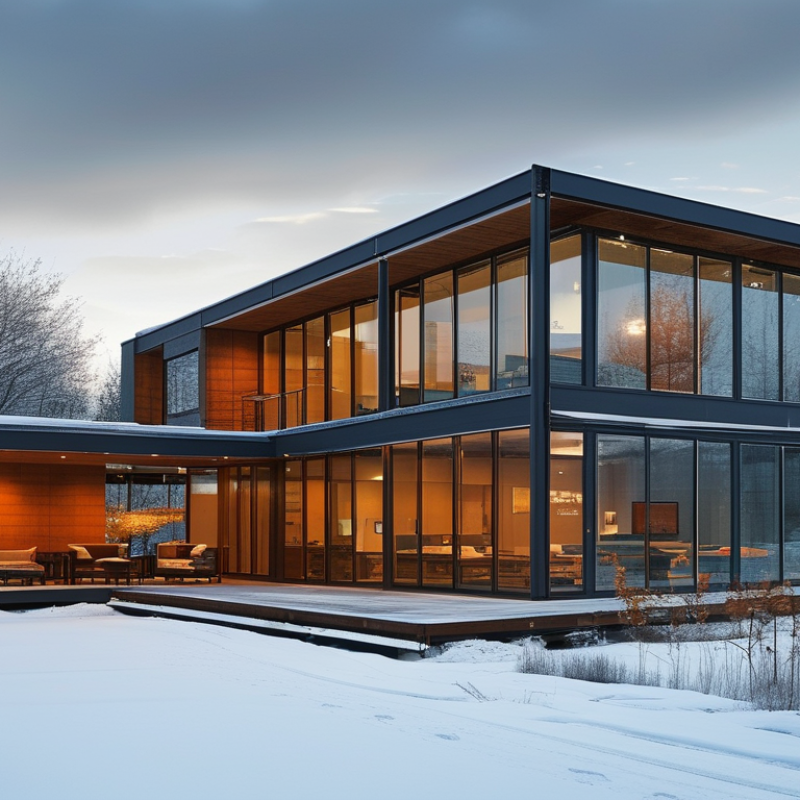
Top 10 Reasons Modular Houses Are Highly Durable For Buyers?

Benefits of Modular Construction for Durability

Modular construction is gaining recognition for its durability. One of the key benefits is the strength of modular components. These homes are built in a controlled environment, ensuring consistent quality. Precision engineering during the manufacturing process strengthens the structure against severe weather. This results in less damage over time.

Another critical aspect is the materials used. Modular houses often utilize high-quality, weather-resistant materials. These components are designed for longevity. Builders also implement advanced insulation techniques. This can prevent moisture ingress, reducing the risk of mold and decay. However, not all contractors focus equally on these details, which can lead to compromised structures.

Sustainability is woven into the durability of modular homes. Some designs allow for easy upgrades or modifications. This adaptability prolongs the life of the home. Homeowners can also enhance energy efficiency, cutting down utility costs. Addressing potential weaknesses in design early can save time and resources later. These factors create a reliable option for buyers.

Materials Used in Modular Houses That Enhance Longevity

Modular houses are known for their durability due to the high-quality materials used in their construction. Engineered wood, for instance, performs better than traditional lumber in resisting warping and moisture damage. According to a 2022 report from the National Association of Home Builders, homes built with engineered wood laminate have a lifespan extending up to 30% longer than standard wood.

Steel is another critical material used in modular homes. Its strength and resistance to pests make it a valuable asset in home construction. The International Code Council notes that steel framing can enhance a home’s longevity by minimizing issues related to termites and rot, often leading to lower maintenance costs. Additionally, modern insulation techniques employing eco-friendly materials further protect against extreme weather, ensuring that homes remain energy-efficient long-term.

Investing in Quality Materials
Tip: Consider investing in high-quality materials when choosing a modular home. While upfront costs may be higher, the longevity and lower maintenance needs can save money over time.

Another factor is the modular construction process itself. Precision in manufacturing leads to fewer human errors, resulting in a sturdier structure. It’s worth reflecting on how the modular building process can impact your long-term satisfaction. Being involved in material selection and construction methods can empower buyers to choose more durable options that align with their lifestyle.

Innovative Design Features Contributing to Structural Strength

Modular houses stand out for their innovative design features that enhance structural strength. The integration of engineered wood and steel frames is a significant factor. According to the Modular Building Institute, these materials contribute to better load-bearing capacity and resilience against environmental stressors. This construction method allows for precise fitting and alignment, reducing the risk of structural flaws.

Moreover, modular homes undergo rigorous factory testing before assembly. This process ensures durability and compliance with safety standards. A report from Harvard University's Joint Center for Housing Studies indicates that these homes often withstand extreme weather conditions better than traditional ones. Features like reinforced joints and high-quality insulation play a crucial role in heat retention and resistance to moisture, further extending the lifespan of the structure.

However, there are challenges. Not every modular design perfectly adapts to local building codes. Homebuyers might face hurdles in customization. While a factory-built home offers efficiency, it may lack the personal touch of a traditional build. Buyers should weigh these factors carefully against the benefits of durability and timely construction. Balancing innovation with customization continues to be an area for improvement in the modular housing sector.

Resistance to Environmental Factors in Modular Housing

Modular houses are designed with durability in mind. One significant aspect is their resistance to environmental factors. A report by the National Institute of Standards and Technology states that modular components are built in climate-controlled environments. This process minimizes the risks associated with moisture and extreme temperatures during construction.

These homes resist heavy winds, rain, and even earthquakes more effectively than traditional buildings. For example, a study from the Federal Emergency Management Agency found that modular homes can withstand winds of up to 130 mph. This makes them suitable for areas prone to severe weather. Their construction utilizes reinforced materials, which enhance stability and longevity.

Additionally, modular housing often incorporates sustainable materials that withstand rot and pests. According to the U.S. Department of Housing and Urban Development, these factors contribute to lower maintenance costs over time. While modular homes are built to endure, buyers should consider the surrounding environment's impact. Local climate and geographical conditions can still influence durability. Choosing the right site is crucial for maximizing the longevity of any modular home.

Top 10 Reasons Modular Houses Are Highly Durable For Buyers

This chart illustrates the durability ratings of various environmental resistance factors for modular houses. Each factor is measured on a scale of 0 to 100%, showcasing the strengths in areas like water resistance and fire resistance.

Cost-Effectiveness of Long-Term Maintenance for Buyers

Modular houses offer exceptional long-term cost-effectiveness. According to the Modular Building Institute, modular construction can reduce waste by up to 90%. This is crucial in maintaining lower overall expenses. The materials used in modular homes are often sourced directly from manufacturers, resulting in reduced costs when it is time for repairs or replacements.


When considering maintenance, modular homes typically require fewer repairs due to their superior construction methods. Data from the National Association of Home Builders indicate that modular homes often experience fewer issues over the first ten years compared to traditional homes. This can lead to significant savings for homeowners. Addressing common wear and tear is often simpler, thanks to the standardized processes used in modular construction.


Investing in modular design also means investing in energy efficiency. The US Department of Energy reports that modular homes generally consume less energy. This translates to lower utility bills and long-term savings. However, some buyers may overlook the initial higher investment for even more robust features. This can lead to regrets down the line. Overall, weighing both upfront costs and future savings is essential when considering modular housing.

FAQS

: What materials enhance the structural strength of modular houses?

: Engineered wood and steel frames are key materials that improve load-bearing capacity and resilience.

How does factory testing benefit modular homes?

Factory testing ensures durability and adherence to safety standards, resulting in reliable construction.

Can modular homes withstand extreme weather?

Yes, they often resist heavy winds, rain, and even earthquakes more effectively than traditional structures.

What features contribute to energy efficiency in modular houses?

Reinforced joints and high-quality insulation enhance heat retention and moisture resistance.

Are there challenges with modular home designs?

Not all designs adapt well to local building codes, which can limit customization options for buyers.

How does the manufacturing environment affect modular housing?

Climate-controlled environments reduce moisture risks, ensuring better quality during construction.

What effect do local climate and geography have on modular homes?

They greatly influence durability, so choosing the right site is essential for longevity.

Do modular homes require more maintenance than traditional ones?

Generally, they have lower maintenance costs due to resistance to rot and pests with sustainable materials.

Is customization possible with modular houses?

While efficient, factory-built homes may lack the personal touch of traditional builds, affecting customization.

What should buyers consider before purchasing a modular home?

Evaluate the balance between innovation, durability, and the limitations of customization options.

Conclusion

Modular houses are increasingly recognized for their exceptional durability, making them an attractive option for potential buyers. One key aspect of their longevity is the materials used in construction, which are often engineered to withstand harsh conditions better than traditional building materials. Additionally, innovative design features enhance the structural strength of these homes, ensuring they remain resilient against environmental stresses such as extreme weather.

When considering how durable are modular houses, it's evident that their construction methods lead to superior resistance to various environmental factors. This robust build quality not only contributes to the longevity of the homes but also results in cost-effective long-term maintenance for homeowners. Overall, the durability of modular houses is a significant benefit, offering peace of mind and financial savings over time.

Sophia

Sophia

Sophia is a dedicated marketing professional with an exceptional depth of knowledge about her company's products and services. With a keen understanding of market trends and customer needs, she crafts insightful blog posts that not only inform but also engage readers, enriching the company’s online......