In recent years, the interest in modular houses has surged due to their efficiency and sustainability. A detailed report from the Modular Building Institute states that the modular construction market is expected to grow by over 7% annually. This trend leads many to wonder, how weather resistant are modular houses? As climate change intensifies, understanding this aspect becomes crucial.
Modular homes utilize advanced materials designed for durability. Companies often use insulated panels and reinforced materials to enhance strength against severe weather. For example, a study by the National Institute of Standards and Technology notes that modular homes can withstand wind speeds of up to 130 mph when properly constructed. However, not all modular homes are created equal. Variability in design and construction standards can impact their overall resilience.
Despite the advancements, some modular homes may still face challenges during extreme weather events. Flaws in installation or material selection can leave them vulnerable. Industry experts assert that homeowners should prioritize quality and thorough research. As we approach 2026, it’s imperative to weigh these factors carefully when considering how weather resistant are modular houses. The right choice can make all the difference in ensuring safety and longevity.
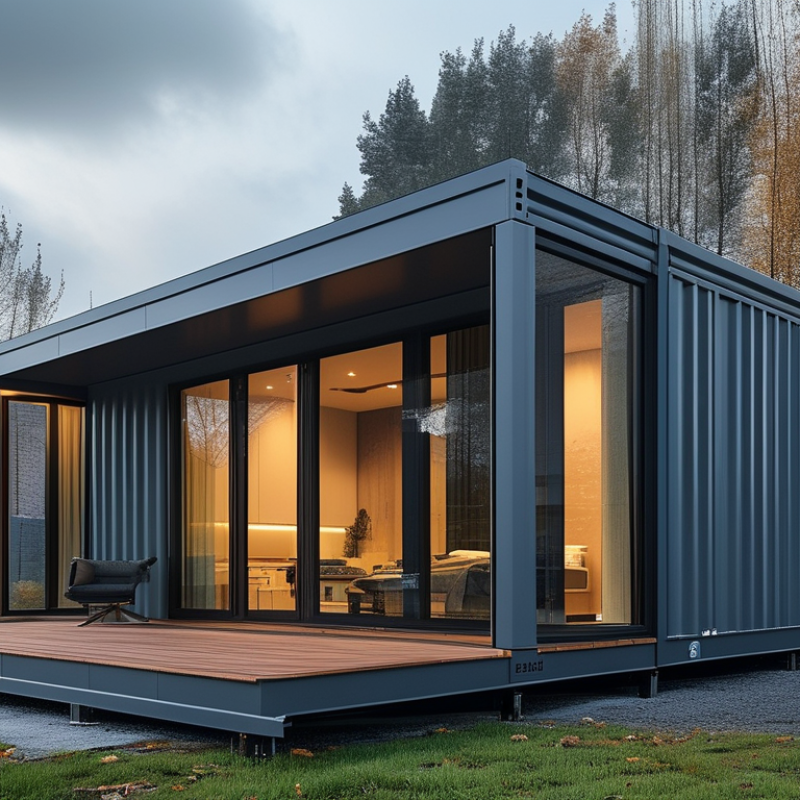
Modular houses have gained attention for their unique design and construction benefits. One key feature that buyers consider is their weather resistance. These homes often incorporate advanced materials and techniques to stand against harsh weather conditions. This includes heavy storms, extreme temperatures, and high humidity.
When assessing the weather resistance of modular houses, focus on their insulation properties. Quality insulation reduces energy use and protects against temperature fluctuations. Additionally, modular designs typically feature reinforced frames and durable exteriors. This construction method enhances overall stability against wind and rain.
Consider these simple tips when exploring modular houses. Look for models with integrated drainage systems. A solid drainage system prevents water accumulation and potential damage. Pay attention to the roofing materials used. A strong roof can significantly improve resistance against heavy rainfall and snow loads. Understand that even the best designs may require some maintenance over time. Regular checks will help maintain their resilient features.
| Feature | Description | Rating (1-5) |
|---|---|---|
| Wind Resistance | Ability to withstand high winds up to 150 mph | 4 |
| Water Resistance | Special water-tight designs to prevent leaks | 5 |
| Insulation Rating | High-quality insulation materials for temperature control | 4 |
| Snow Load Capacity | Designed to carry heavy snow loads safely | 5 |
| Thermal Performance | Excellent thermal performance for energy efficiency | 5 |
| Fire Resistance | Use of fire-retardant materials and construction techniques | 4 |
| UV Protection | Protection against harmful UV rays to prevent material degradation | 4 |
: Modular houses use advanced materials and techniques. They can withstand heavy storms and extreme temperatures.
Quality insulation protects against temperature fluctuations. It also reduces energy use in modular houses.
Look for integrated drainage systems. They help prevent water accumulation and potential damage.
Strong roofing improves resistance against heavy rainfall. It also handles snow loads effectively.
Yes, even the best designs need some upkeep. Regular checks maintain their resilient features.
There’s a shift toward sustainability and energy efficiency. Builders are introducing solar panels and green roofs.
Climate change causes unpredictable weather patterns. Modular homes must adapt with advanced materials for resilience.
Yes, smart technology enhances resource management. However, affordability is still a concern for homeowners.
Yes, local regulations may delay the adoption. Not every area is ready to manage these changes effectively.
Buyers need to balance cost with quality. It’s a challenge that affects both builders and buyers alike.
The article titled "How Weather Resistant Are Modular Houses for 2026 Best Options?" explores the weather resistance features of modular homes, emphasizing their ability to withstand extreme weather conditions. It outlines key factors influencing their durability, such as design, materials used, and construction methods. The discussion includes a look at top modular house designs specifically engineered to handle harsh climates, ensuring safety and longevity.
Additionally, the article highlights the materials that contribute to making modular homes resilient against various weather patterns, including heavy rain, snow, and high winds. As we approach 2026, future trends in modular housing will focus on enhancing weather resilience, with advancements in technology and eco-friendly practices paving the way for more robust living solutions. Overall, understanding how weather resistant are modular houses is essential for consumers seeking reliable and sustainable housing options.

 SES House